Core Exercise: Why It Matters for Strength Training Exercise
exercises are moves that make your stomach, lower back, hips, and pelvis strong. This area is called your core. A strong core is important in every strength training exercise because it helps you lift weights safely, stand tall, and move without pain. Whether you play sports, work out at the gym, or just want to avoid back problems,exercises will help you do it better
What Is a Core Exercise?
exercise is any movement that uses your stomach, lower back, and side muscles at the same time. Examples include planks, bridges, and bird dogs. These exercises don’t just make your abs look good—they help your body stay stable and balanced repbolt
Core Exercise Benefits for Strength & Daily Life
Improved Posture & Balance
When your is strong, you stand straighter and move more confidently. This means you’re less likely to fall or feel
Lower Bobbly.ack Pain Relief
Many people have back pain because their core muscles are weak. Strengthening them takes pressure off your spine and can reduce pain.
Better Athletic & Daily Performance
From running faster to carrying heavy groceries, a strong makes daily tasks easier and sports
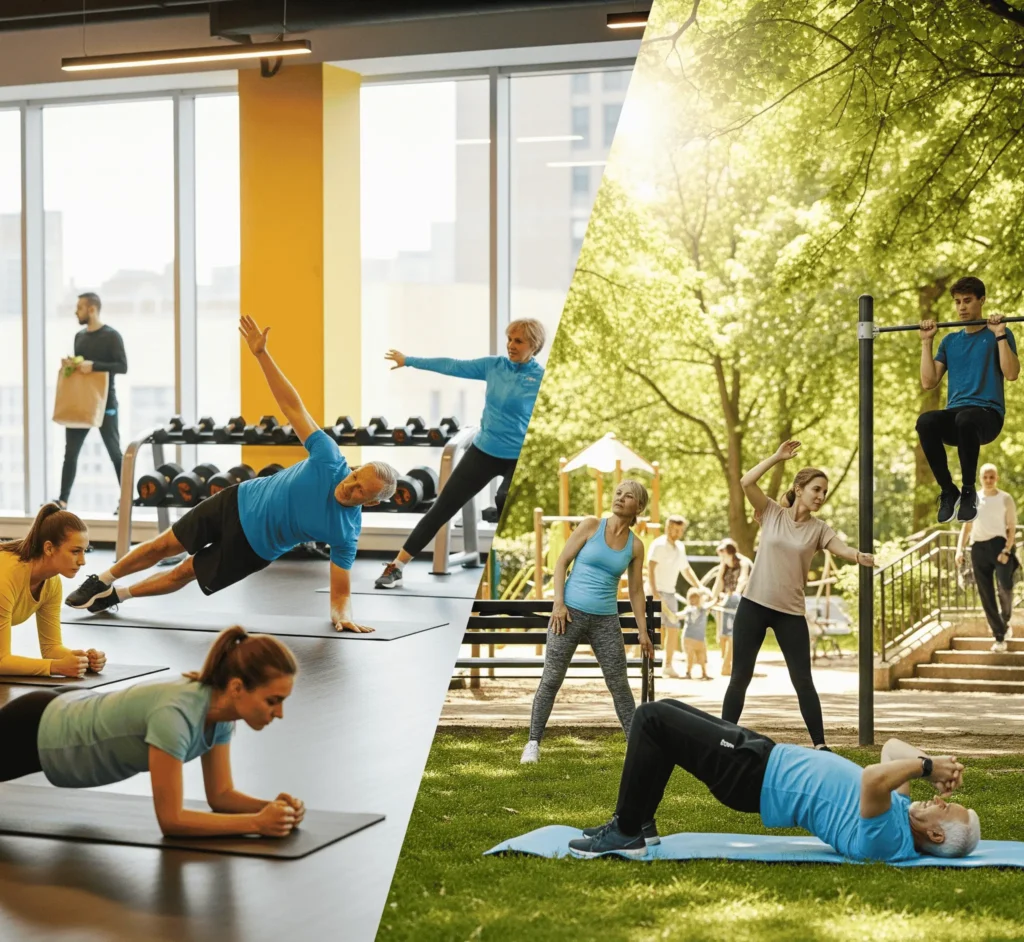
Types of Core Exercises in Strength Training Exercise
Mats & Floor Exercises
These are done on the floor, like planks, bridges, dead bugs, and bird dogs.
Deep Exercises
These target inner muscles you can’t see, like the Pallof press or hollow hold.
Weighted & Resistance Moves
These include holding a weight or using resistance bands while doing exercises.
Standing & Stability Moves
These are done while standing, like standing crunches or farmer’s carries, to build balance
How to Do Top Core Exercises Correctly
Plank
Start by lying face down on the floor. Place your elbows directly under your shoulders and lift your body so you’re resting on your forearms and toes. Keep your body in a straight line from your head to your heels — just like a solid wooden board. Don’t let your hips sag toward the ground or stick up too high. This move strengthens your abs, back, and shoulders
Bridge
Lie on your back with your knees bent and your feet flat on the floor, hip-width apart. Keep your arms at your sides. Push through your heels to lift your hips up toward the ceiling until your body forms a straight line from your shoulders to your knees. Hold for a few seconds, then slowly lower back down. This exercise works your lower back, and muscles
Pallof Press
Stand with your feet shoulder-width apart and hold a resistance band or cable handle with both hands in front of your chest. Step sideways so the band or cable is tight, and then press it straight out in front of you. Keep your body from twisting — that’s the challenge! Slowly bring it back to your chest. The Pallof Press is great for building stability and preventing injuries.
Core Exercise Safety: Common Mistakes & Tips
When doing exercises, it’s important to focus on safety just as much as effort. Doing moves the wrong way can hurt your back, neck, or joints — and that’s the last thing you want when trying to get stronger. Here are some key tips:
1. Don’t hold your breath — breathe slowly and steadily
It’s common for people to tense up and stop breathing when working hard, but this puts extra pressure on your body and can make you feel dizzy. Instead, breathe out during the effort (for example, when lifting) and breathe in when returning to the start. This keeps your muscles supplied with oxygen and helps you stay relaxed.
2. Don’t rush — move with control
Fast, jerky movements can cause strain or make you lose balance. Always focus on slow, controlled motions so your muscles — not momentum — do the work. This also improves your form and prevents injuries.
3. Keep your lower back flat during floor exercises
When lying on your back for moves like the Dead Bug or leg raises, your lower back should stay pressed gently into the floor. If it arches too much, you might strain your spine. You can fix this by tightening your abs and slightly tucking your hips
Progressing Your Core Exercises for Strength Training Exercise
Once you’ve learned the basics of exercises, it’s important to keep challenging yourself so your muscles continue to grow stronger. This process is called progression — gradually increasing the difficulty over time. It helps you avoid plateaus, build more strength, and improve overall performance. Here’s how to do it safely and effectively:
Core Exercise for Older Adults: Safe & Effective Moves
Core exercises aren’t just for young athletes — they’re essential for older adults too. A strong helps improve balance, stability, and posture, which reduces the risk of falls and injuries. It also makes everyday tasks like bending, lifting, and walking easier. The good news? You don’t need heavy weights or intense workouts to strengthen your core safely